

Dyeing Process Automation and Temperature Control

Featured Brands


In the textile dyeing industry, maintaining strict control over temperature and pH levels in dye baths is essential to ensure uniform color distribution, material integrity, and chemical efficiency. Fluctuations in these parameters can result in uneven dye uptake, color mismatches, and material waste. This application leverages data loggers, signal conditioning devices, and PLC-based automation to maintain optimal dyeing conditions with high repeatability and reduced human intervention.
How It Works
- Real-Time Monitoring of Dye Bath Temperature
- Temperature sensor:
High-precision temperature sensors are immersed in the dye bath to monitor fluid temperature throughout the dyeing cycle. These loggers capture temperature data with high frequency and accuracy, even under high-humidity or corrosive conditions. - Continuous Signal Acquisition:
The temperature signal is also transmitted to a signal conditioning module such as the K121 from SENECA which amplifies and converts the analog signal into a format suitable for real-time processing.
- Temperature sensor:
- PLC-Based Temperature Loop Control
- The conditioned temperature signals are sent to a ME3C6-1616T PLC from , which executes closed-loop control algorithms. Based on preconfigured dyeing profiles, the PLC adjusts heating elements, steam valves, or water circulation pumps to maintain the desired temperature curve.
- The system allows for different temperature ramps, holds, and cooldown periods based on the type of fabric and dye formulation.
- pH Monitoring (Optional Integration)
- For dyeing processes where pH control is also required (e.g., reactive or acid dyeing), pH probes can be integrated into the system. The analog signal from the probe is also processed through K121 signal conditioners from SENECA and managed by the PLC.
- The PLC can then trigger the injection of neutralizers, acids, or bases to adjust the bath pH in real-time.
- Process Visualization and Operator Control
Benefits
- Consistent Dyeing Results: Maintains stable temperature and pH conditions throughout the cycle, ensuring even color uptake.
- Reduced Material Waste: Minimizes the need for reprocessing or color corrections due to temperature-related defects.
- Improved Process Control: Automates key variables, reducing human error and increasing batch repeatability.
- Energy Efficiency: Precise control helps avoid overheating or unnecessary energy consumption.
- Traceability and Compliance: Digital records of process conditions support internal audits and external certifications.


 What Is Edge Computing & How
It Benefits Industrial Applications
What Is Edge Computing & How
It Benefits Industrial Applications
 Tension Control in Yarn Spinning
 What Is a Mobile Robot
and Why Is It Reshaping Warehousing?
What Is a Mobile Robot
and Why Is It Reshaping Warehousing?
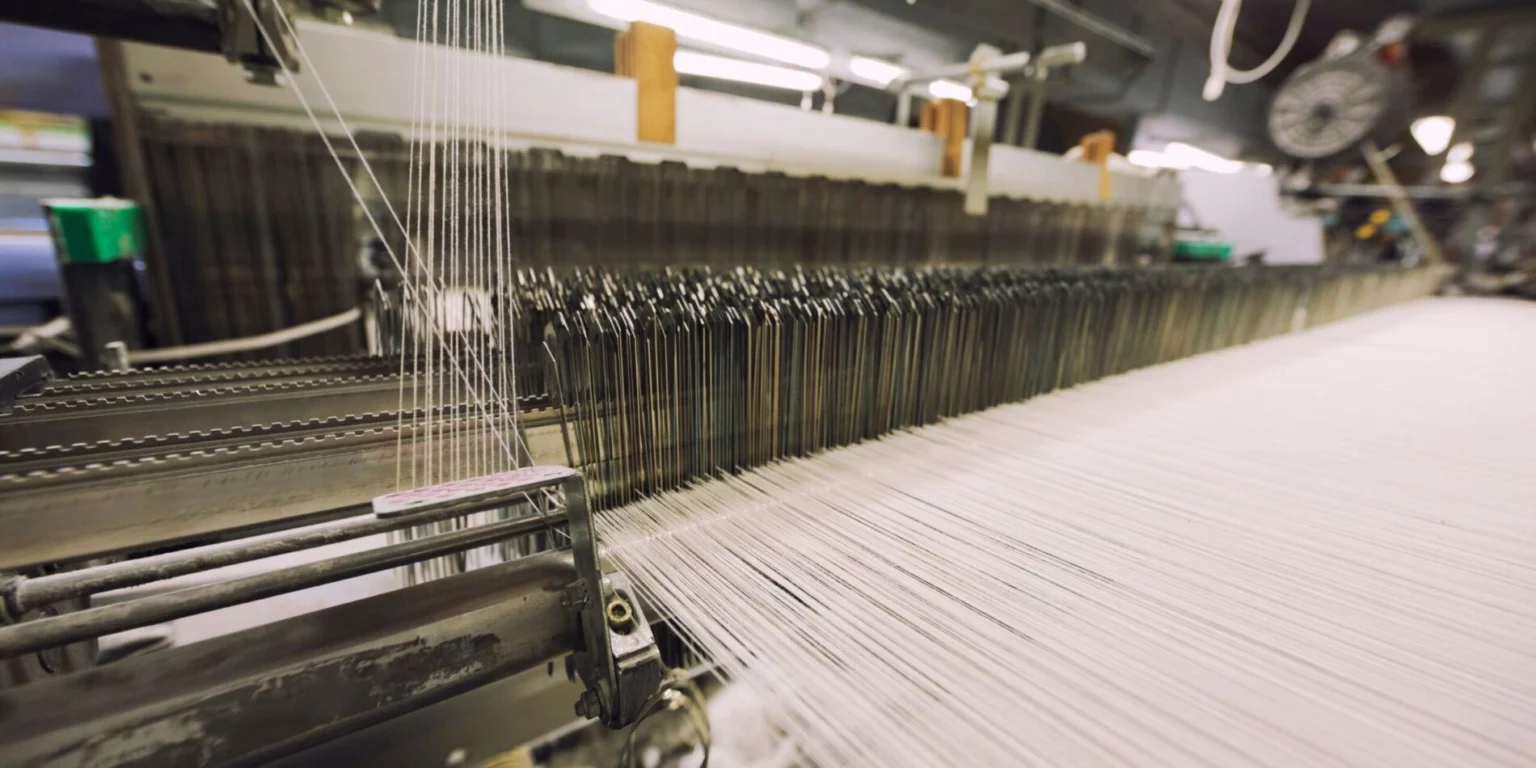 Real-Time Monitoring of Loom Machine
Performance
Real-Time Monitoring of Loom Machine
Performance
